Well, it’s actually been 1-1/2 years since I took this tour. Finally have uploaded the photos to the internet. The riot which occurred in this penitentiary is considered to be the nation’s most savage prison riot. I have posted a few images below. The rest can be found here on my Flickr page. More information about the reported phenomena can be found on my previous posting, “I Am Going to a Maximum Security Prison,” which I posted prior to the tour.
A brief background about the Santa Fe prison riot:
In the early morning hours on Saturday, 2 February 1980, inmates at the Penitentiary of New Mexico, originally opened in 1885, near Santa Fe overwhelmed four correctional officers during a routine inspection in one of the dormitories. These inmates immediately took the officers hostage and then ran to another dormitory where they attacked four more guards. Thus began a thirty-six-hour riot during which the rioting inmates held twelve officers hostage, thirty-three inmates lost their lives, and at least ninety inmates suffered serious injuries including beatings, stabbings, rapes and overdoses.
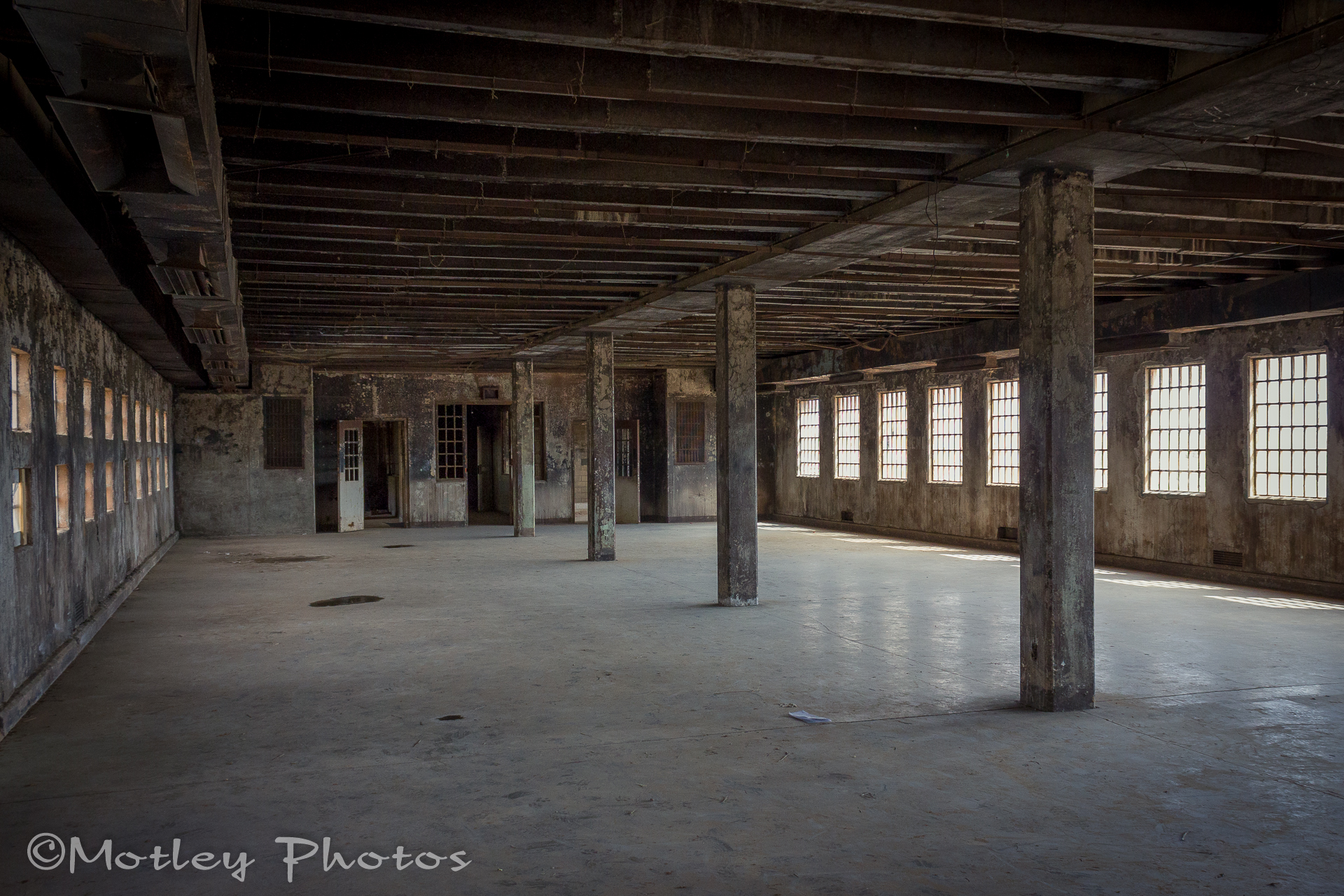
On the night of the riot, after the early evening count at about 8:30 p.m., inmates in Dormitory E-2 began drinking a “home brew” that they had made from yeast and raisins, items they had smuggled from the kitchen. After drinking for a couple of hours, they became drunk and angry and decided to attack the guards when they came for the early morning inspection. When the four officers arrived for the inspection, the inmates quickly overpowered them. One officer who had remained at the door struggled to close the door, but was unable to do so. The prisoners then took the four guards to the dayroom where they stripped, bound, and blindfolded them.
Once the rioters had gained control of the Control Center, they had access to the whole institution. Some inmates broke into the pharmacy and took a variety of drugs, mostly barbiturates, anti-depressants, anti-psychotics, and sedatives. Others entered the paint shop and shoe repair shop where they found paint, paint thinner and glue which they inhaled. Known as “huffing,” these inhalants can induce violent behavior. By the end of the riot, many of the inmates suffered drug-overdoses.
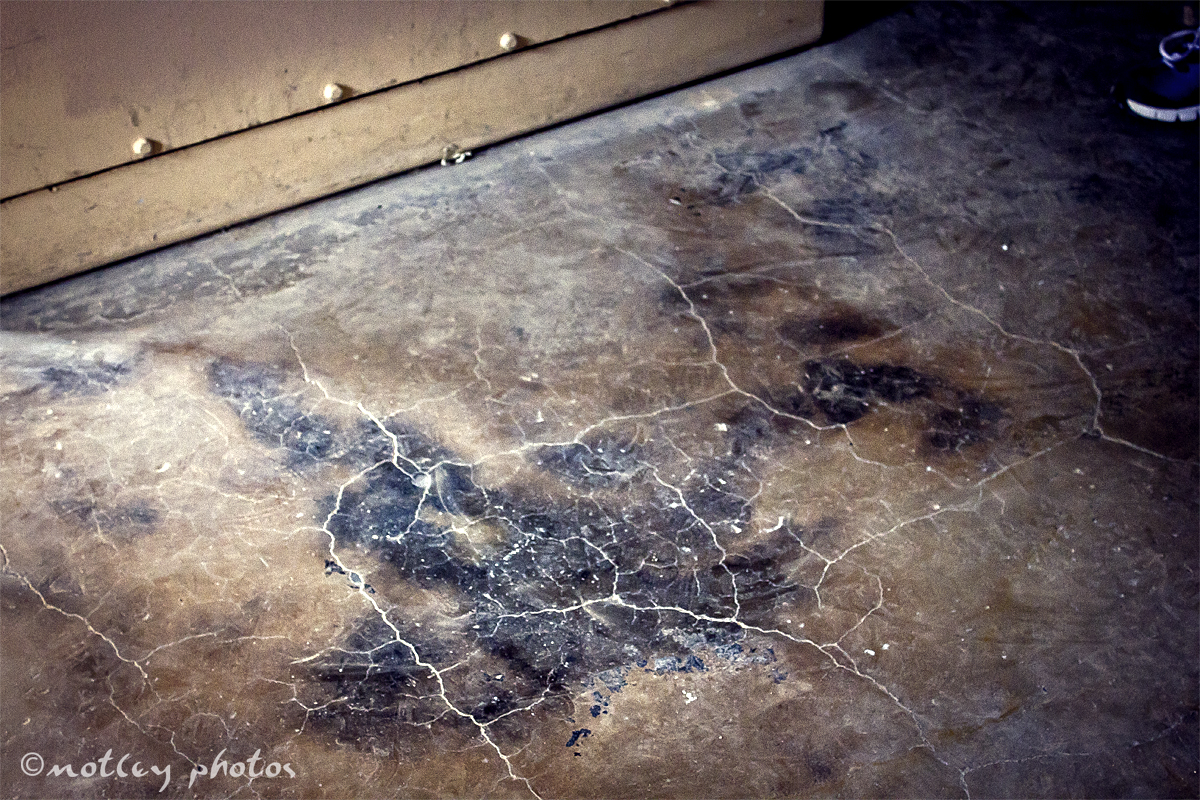
With the keys obtained in the Control Center, inmates entered the plumbing shop where they found a heavy-duty acetylene cutting torch. They also found two more torches in Cellblock 5 where renovations were underway. With these tools in hand, the rioters made their way over to Cellblock 4. This cellblock housed a number of inmates, protected from the general population because they were snitches or believed to be snitches. For several hours, the rioters could not gain access to the cellblock, and the inmates of Cellblock 4 sent SOS messages to the police outside the prison. Officials later said that they thought that the rioters held the entire institution and did not see the messages from the desperate inmates. Finally, just after dawn, the rioters cut through the grill at Cellblock 4, yelling “kill the snitches.” These violent rioters, later known as “execution squads,” shouted out the names of their intended victims. Some of these men locked themselves in their cells, but the execution squads were able to burn through the bars with the torches. Some executioners, unable to wait, threw flammable liquids into the cells onto their victims and then ignited them. Once they did open the cells, they dragged out the men, stabbing, torturing, bludgeoning, burning, hanging them, and chopping them apart. Some executioners threw their victims from the upstairs tiers to the basement floor, where officials later found many bodies.
For thirty-six hours, prison officials negotiated for the release of the hostages and the surrender of the rioters. By 1:30 p.m., Sunday, 3 February 1980, the riot had, for the most part, ended. After the inmates of Dormitory E-1 had escaped, a steady trickle of men followed, and by the end of the riot most inmates stood outside the penitentiary. Finally, the police and National guardsmen retook the penitentiary without resistance. So ended one of the most violent prison riots in New Mexico history.
Click on any photo below to see in full size. You may scroll through the gallery then.


Want to see more photos? Click HERE to go to my Flickr set of the tour.
Those inmates who were killed during the riot (from Wikipedia):
- Michael Briones (Albuquerque)
- Lawrence C. Cardon (Las Cruces)
- Nick Coca (Taos)
- Richard J. Fierro (Carlsbad)
- James C. Foley (Albuquerque)
- Donald J. Gossens (Farmington)
- Phillip C. Hernandez (Clovis)
- Valentino E. Jaramillo (Albuquerque)
- Kelly E. Johnson (Albuquerque)
- Steven Lucero (Farmington)
- Joe A. Madrid (Albuquerque)
- Ramon Madrid (Las Cruces)
- Archie M. Martinez (Chimayo)
- Joseph A. Mirabal (Alamagordo)
- Ben G. Moreno (Carlsbad)
- Gilbert O. Moreno (Carlsbad)
- Thomas O’Meara (Albuquerque)
- Filiberto M. Ortega (Las Vegas (NM))
- Frank J. Ortega (Las Vegas, NM)
- Paulina Paul (Alamogordo)
- James Perrin (Chaparral)
- Robert F. Quintela (Carlsbad)
- Robert L. Rivera (Albuquerque)
- Vincent E. Romero (Albuquerque)
- Herman D. Russell (Waterflow)
- Juan M. Sanchez (Brownsville, Texas)
- Frankie J. Sedillo (Santa Fe)
- Larry W. Smith (Kirtland)
- Leo J. Tenorio (Albuquerque)
- Thomas C. Tenorio (Albuquerque)
- Mario Urioste (Santa Fe)
- Danny D. Waller (Lubbock, Texas)
- Russell M. Werner (Albuquerque)
Related articles:
- The NY Times: For Riot Site in New Mexico, a Gift Shop but No Ghost Stories
- City Dust: Penitentiary Blues
- TIME Magazine, Original article from 1980: What Happened to our Men?
- Southwest Ghost Hunters: New Mexico Penitentiary
- Book on Amazon: The Devil’s Butcher Shop: The New Mexico Prison Uprising
- Contra Costa Times: New Mexico inmates to sell artwork at old prison





 Motley News & Politics
Leave a reply to Charlotte Pennell (@txartistgirl74) Cancel reply